Letting Go of the Survival Self: Making Space for the Person You’re Becoming
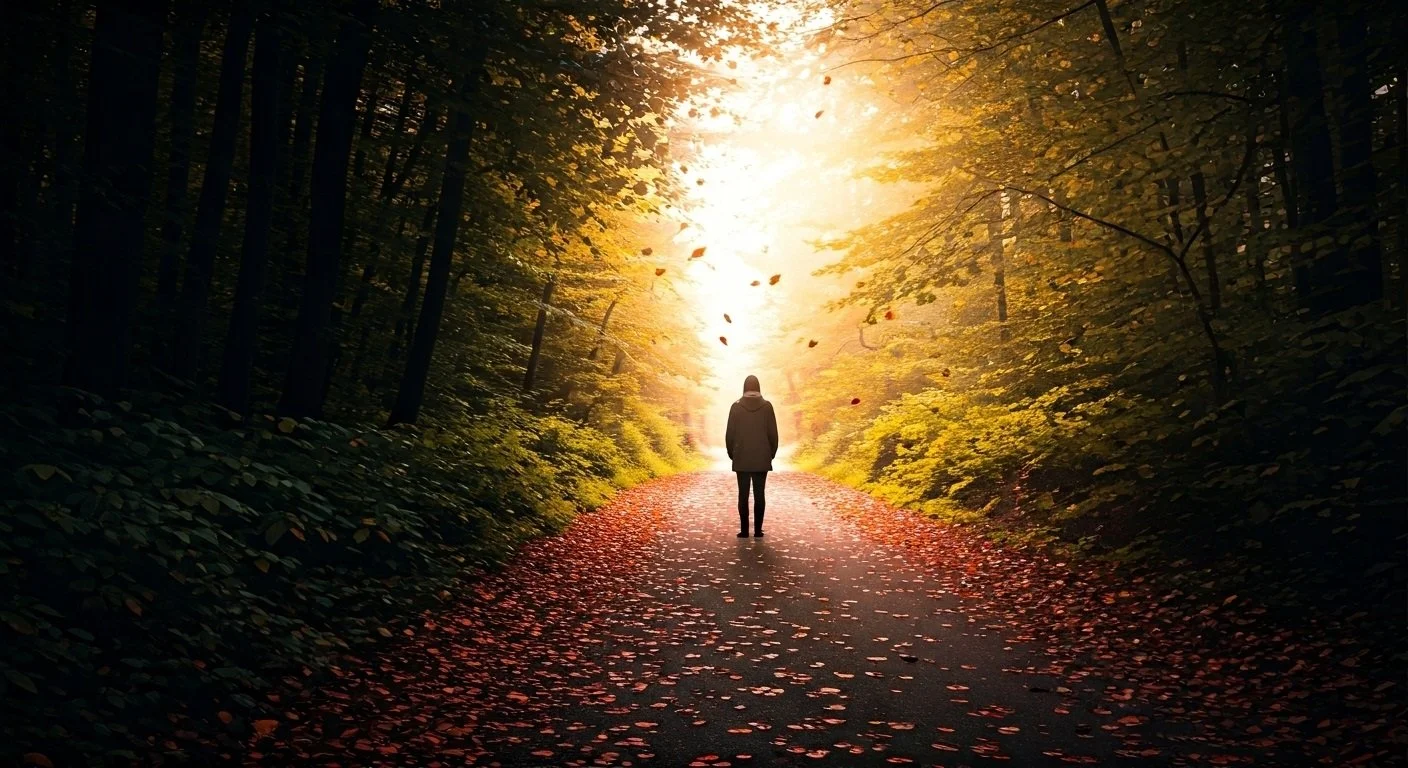
Healing rarely moves in a straight line. It unfolds in curves and pauses, where joy and grief often walk beside each other.
When you have lived in survival mode for a long time, your coping strategies were not accidents. They were intelligent responses to a world that once felt unsafe or unpredictable. Hypervigilance. Self-sacrifice. Emotional armor. These patterns kept you functioning when rest or ease were not options.
For a season, they worked.
But the survival self is built for endurance, not for fullness. It knows how to get through. It does not know how to stay.
As healing deepens, you may begin to notice a quiet shift. Habits that once felt necessary start to feel heavy. Roles you carried without question now require more energy than they give back. You may feel yourself pulling away from patterns of anticipation, over-responsibility, or constant self-monitoring.
This is often where grief enters.
Letting go of the survival self can feel surprisingly tender. You may mourn the version of you who could withstand immense pressure or hide pain so effectively. There can be loyalty here. After all, that part of you helped you survive. Releasing it can feel like abandoning an old companion.
It is normal to feel sadness as the armor loosens. Even when what comes next is more spacious and alive.
Growth can also feel lonely.
As you change, your relationships may shift. People who knew how to relate to your survival self may struggle to meet the slower pace, the clearer boundaries, or the refusal to self-abandon. Some may drift. Others may push back, mistaking your healing for distance.
In these moments, it can be tempting to return to old patterns to keep the peace. To become smaller again. To move faster. To give more than you have.
Healing asks something different. It asks you to hold steady.
The person you are becoming may feel unfamiliar at first. They might move more slowly. They may protect their energy more carefully. They might find joy in moments the survival self would have rushed past or ignored.
Making space for this becoming does not require force. It asks for attention.
You might begin by noticing small wins. Resting without apology. Saying no without over-explaining. Asking for help and letting it land.
You might allow grief its place. Healing is expansion, but it is also loss. There is room to mourn what you are leaving behind while still moving forward.
And you might seek relationships that can meet you here. Not only the one who endured, but the one who is learning how to live.
Letting go of the survival self does not mean erasing it. It means integrating it.
You can thank those parts for what they carried. For how they protected you. And then, gently, you can invite them to rest.
You are allowed to live beyond urgency. You are allowed to grow into a life that feels safe enough to savor.
Unsure where to start?
If you are navigating this transition and want support, therapy can offer a steady place to land. At Sage & Shadows Counseling, I work with clients who are releasing identities shaped by relationship trauma, emotional abuse, and chronic people-pleasing. Book your consultation today.
You do not have to walk this shift alone. Becoming deserves companionship.
If this post resonates, you may also find comfort in these reflections: